


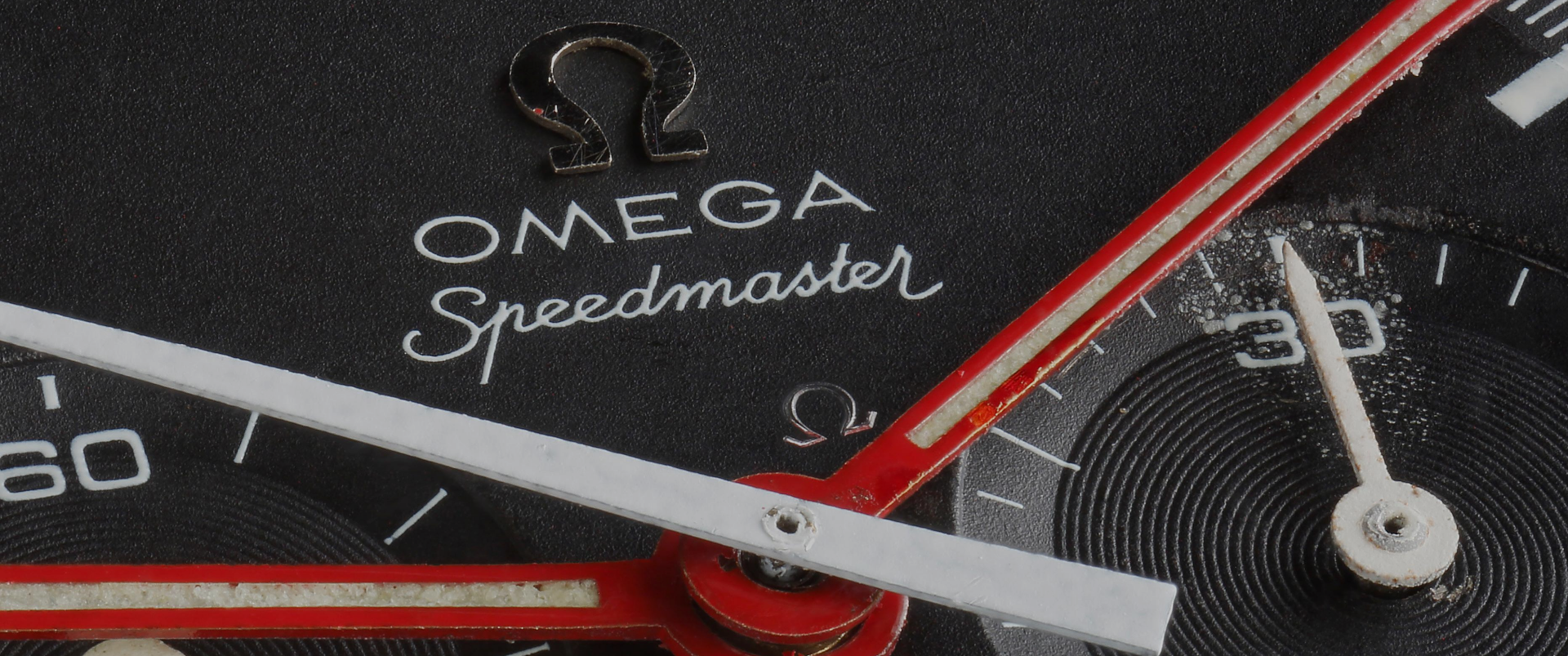
The Dial is the Soul: why original dials define the true value of a Vintage Watch (and why refinished means lost history)

In high-level vintage collecting there are beautiful watches, and then there are important ones. The difference is not polish, shine or cosmetic perfection. The difference is truth. And the truth of a vintage watch lives, first and foremost, on its dial.
The dial is the face of the watch — the point where the original intention of the Manufacture meets the real life the watch has lived. It’s where time isn’t only measured: it’s recorded. For serious collectors, the original dial is not a stylistic preference. It is the foundation of authenticity and credibility.
Original vs refinished: not a cosmetic matter, but a cultural one
For a long time, refinishing or “restoring” dials was considered a form of care. Today, in mature collecting culture, we recognise it for what it truly is: the interruption of history.
An original dial preserves:
-
the materials of its era — pigments, lacquers, finishes
-
period-correct printing techniques — tampography, enamelling, depth of print
-
the aesthetic language of the brand in that moment in history
-
the trace of time — light, humidity, environment, use
A refinished dial does the opposite.
It standardises. It cleans. It flattens. It removes individuality in favour of a “perfect” but anonymous surface.
It may look fresh.
But culturally, it is mute.
Patina: when time adds value instead of destroying it
Few words are misused in watch collecting as often as “patina”. Too often reduced to a trend or romantic label, patina — when it is real — is both a cultural and technical condition.
A good patina:
-
develops naturally
-
remains coherent with materials and age
-
does not compromise readability
-
retains visual cohesion and dignity
And when this happens, the dial gains depth, warmth and emotional weight. The market knows countless examples: tropical Rolex dials ageing into warm tones, Omega dials gaining richness rather than fading, Universal Genève chronographs ageing with grace, Patek Philippe dials showing delicate and harmonious maturity.
Not everything old is fascinating.
But everything truly fascinating must be natural.
Patina or damage? Only expertise can tell the difference
One of the defining lines between a buyer and a true collector is the ability to read a dial correctly. There is a subtle but essential boundary between history and problem, between honest ageing and deterioration.
Healthy patina usually shows:
-
visual uniformity
-
coherent and proportional ageing
-
consistency between dial, hands and markers
-
absence of suspicious interventions
Damage, instead, shows:
-
aggressive oxidation and pitting
-
unnatural discolouration
-
traces of chemical exposure
-
artificial ageing attempts
This is not about sentimentality.
This is where knowledge wins.
The dial as a historical document
An original dial is more than a visual element. It is a physical archive. It contains information that cannot be replicated today because they belong to a precise era in watchmaking:
-
colours and inks that no longer exist
-
printing densities unique to specific decades
-
typography and logo evolution
-
micro-imperfections from historic production lines
Every original dial is a photograph of its time.
Refinishing it is like replacing that photograph with a new digital copy: flawless, maybe… but disconnected from the life it once captured.
Market reality: what serious collecting really rewards
This is not poetic rhetoric. It is measurable market behaviour.
The major auction houses of the world consistently prove a clear truth:
-
a refinished dial depresses cultural and financial value
-
an original dial, even one far from “perfect”, can elevate a watch dramatically
Why?
Because in the upper tier of watch collecting:
-
cosmetic perfection has limits
-
authenticity does not
A watch with its original dial retains coherence between:
-
its Manufacture
-
its era
-
its personal history
-
its cultural perception
Once that link is broken, significance collapses.
And collectors are not willing to pay for an empty shell.
Original dials and the role of the conscious collector
The serious collector is not chasing shine.
He is seeking credibility.
In vintage watchmaking, beauty is not defined by immaculate condition, but by integrity. Someone looking only for surface perfection may see a “clean” watch. Someone who understands collecting sees an honest one — and honesty is what endures.
This is the cultural foundation of meaningful collecting.
Conclusion
The real question in vintage horology is not “How perfect does it look?”, but “How true is it?”.
The original dial is what keeps a watch anchored to its time, loyal to its Manufacture and meaningful in its identity.
For this reason — today and in the years to come — the dial will always remain what it has always been: the soul of the watch.
